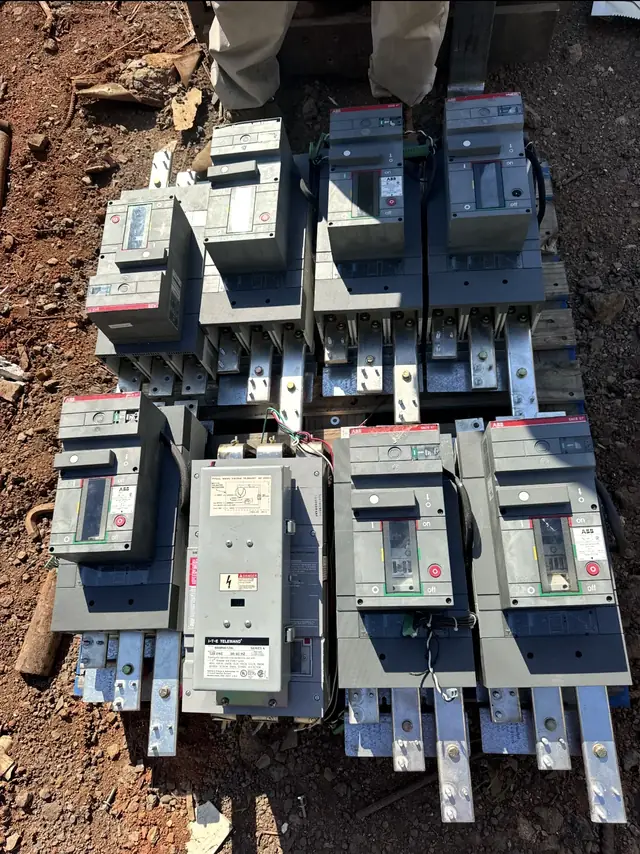
When electrical equipment presents heat, smoke, fire, shock, energized exposure, or other immediate danger, contact qualified emergency or electrical personnel—not a buyer form.
An unresolved recall match does not follow the ordinary offer path
Use the current Consumer Product Safety Commission and manufacturer records with the exact model, date, lot, serial, remedy, and jurisdiction. A family name alone is not enough to declare every item recalled or unaffected. Do not sell or distribute a recalled consumer product contrary to applicable law and recall terms.
Stop when identity is doubtful
Suspected counterfeit, relabeled, altered, cloned, gray-market, or undocumented reconditioned equipment should be held for qualified review. Photographs and a familiar logo do not prove authenticity or listing.
Disclose fire, water, fault, corrosion and missing parts
Heat damage, arc evidence, smoke, fire, water, contamination, corrosion, cracked cases, broken handles, bent contacts, cut conductors, missing labels, missing trip units, modified mechanisms, and unknown internal condition can affect safety, handling, and eligibility.
Unknown fluids, PCBs, batteries and title need a different route
Do not ship leaking, contaminated, fluid-filled, battery-containing, asbestos-suspect, or otherwise regulated material without written specialist instructions. The seller must also have authority to sell the equipment and disclose liens, customer ownership, or other title concerns.
Match the exact identifiers and current remedy
A useful recall check records the source URL, publication date, affected manufacturer and product family, model or catalog range, date or serial range, hazard, jurisdiction, and remedy. The seller should preserve the label and avoid declaring an item cleared because a general search produced no result. Recall databases and manufacturer notices may use different naming conventions.
When a possible match remains unresolved, hold the item out of the ordinary commercial lot and seek the current manufacturer or regulator instructions.
Written terms should preserve inspection and rejection conditions
A transaction may need rights to verify identity, quantity, included components, visible condition, undisclosed damage, altered labels, authenticity concerns, recall status, contamination, and differences from the submitted inventory. The remedy for a discrepancy must come from the written agreement.
The website does not promise that questionable equipment will be returned, recycled, destroyed, held, or paid. Those outcomes depend on safety, law, carrier rules, ownership, and transaction-specific terms.
Documentation that speeds identity and eligibility review
Detailed documentary evidence often short-circuits follow-up questions and reduces the time an item remains on hold. For circuit breakers and related switchgear, high-resolution close-ups of the nameplate, stamped lot or serial numbers, trip device part numbers, and any factory or maintenance stickers are the most useful starting points. Context images that show the device in-situ (panel, truck, pallet) alongside ruler or common object for scale, plus clear shots of any aftermarket or rework labels, help reviewers distinguish factory variants from field alterations. If recent commissioning, calibration, or dielectric test reports exist, providing them with dates, test scope, and the testing laboratory or contractor name helps confirm the last known functional state without requiring immediate hands-on inspection.
Equally important are ownership and disposition documents. Copies of purchase orders, asset tags, maintenance logs, decommissioning notes, and any customer authorization that demonstrates the seller’s right to transfer the equipment reduce legal and title ambiguity during an eligibility check. Preserve original labels and avoid cosmetic cleaning that could remove identification marks. Supplying accurate, time-stamped photographs and the chain of custody for previous repairs or in-service testing allows a conditional review to proceed; qualifying items may then be reviewed further under the appropriate safety and regulatory protocols.
- Nameplate and serial/lot close-ups
- Trip unit and mechanism part numbers
- Context/scale photographs of installation
- Recent test/certification reports (if available)
- Ownership or decommissioning paperwork
Quarantine, isolation and escalation pathways for suspect items
When contamination, unknown fluids, suspect residues, or tampering indicators appear, the recommended first step is to isolate the item and mark it clearly so it is not inadvertently handled or mixed with ordinary inventory. Isolation helps preserve evidence and prevents cross-contamination of other equipment. The seller or custodian should document the isolation with photographs, date-stamped inventory tags, and an initial condition note describing visible leaks, odors, residue color, or adhesive/polish removal. Do not assume that surface cleaning or descaling preserves forensic detail—coordinate next steps with a qualified laboratory, environmental consultant, or the original manufacturer’s instructions before performing any intrusive action.
Escalation to specialized testing or regulatory review is often required for liquids, suspect PCBs, battery leakage, asbestos-containing components, or items with potential hazardous residues. A chain-of-custody form, written sampling instructions from the chosen laboratory, and secure packaging for transport (if transport is appropriate) protect both seller and reviewer. Because laboratory methods and sample sizes vary by analyte, the seller should consult the lab for sample collection guidance rather than improvising. Depending on results and applicable law or remediation requirements, a qualifying item may be held out of commerce pending regulator or manufacturer direction.
- Label and photograph quarantined items at time of discovery
- Preserve evidence—do not perform invasive cleaning without lab guidance
- Obtain written sampling instructions from the chosen testing laboratory
Practical condition categories and disclosure fields for breakers
A concise condition grading framework helps translators of physical condition into reviewable records. Examples that sellers can use in submissions include: Factory-preserved (untouched nameplate, intact seals, recent test tag); Service-modified (documented field retrofit, replaced trip module, aftermarket parts fitted with supporting invoices); Contaminated or exposed (visible soot, heat discoloration, evidence of water ingress, residue on terminals); and Incomplete or mechanical-failure (missing handles, broken latches, open mechanism, absent trip device). These descriptive categories are intended to guide disclosure—any item in the contaminated or mechanically compromised categories typically requires further verification before a purchase review proceeds and qualifying items may be reviewed only after appropriate remediation documentation is provided.
For each listed item, include explicit disclosure fields so reviewers do not need to guess critical details. Useful fields are: manufacturer and full model designation as stamped, serial or lot number, visible defects and their locations, identity of any non-factory parts or markings, dates and types of the most recent tests, and ownership or lien advisories. Clear, consistent disclosure reduces the need for follow-up and helps determine whether an item remains under review, must be escalated for regulator or manufacturer input, or can continue through an ordinary review path.
- Use clear category tags: Factory-preserved, Service-modified, Contaminated, Incomplete
- Report non-factory parts and latest test dates
- Note any title, lien, or customer-ownership flags