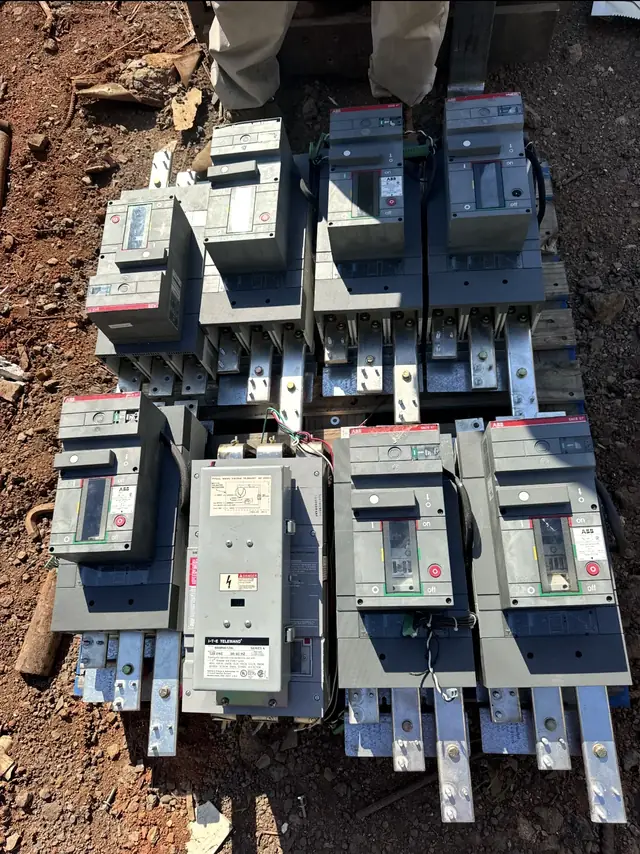
Stop if you see heat, burn marks, exposed energized parts, or physical distortion. Do not attempt energized testing or installation. Follow the current manufacturer instructions and engage appropriately qualified electrical professionals and the authority having jurisdiction for removal, testing, and any installation.
What we review and why it matters
We review qualifying ABB Emax air circuit breakers, cradles, and associated accessories for a purchase decision. Qualifying equipment may be submitted for purchase review; not every submission will result in a purchase. Our review focuses on identity, completeness, functional evidence, and market fit before any offer is discussed.
Provide items that are clearly identified as part of the Emax family and include accessories that affect value — for example, cradles, trip units, communication modules, and factory-installed options. Including these items and their documentation helps our reviewers assess whether an item meets the scope of what we can evaluate.
- Air circuit breakers in the ABB Emax family
- Emax cradle assemblies and mounting hardware
- Factory trip units and replaceable modules
- Accessory panels, retrofit kits, and communication cards
Exact identification fields we need
Accurate identification is the single most helpful element in a fast review. Provide the nameplate and label fields exactly as they appear. Useful identification fields include the full catalog or type number, frame or class designation, rated current, short-time/instantaneous settings if present, trip unit model, serial number, and date code. If the breaker has been relabeled, include photos of the original nameplate or factory label where available.
Also list any markings on cradles, interlocks, or adapters. If your item has retrofit parts or a non-factory cradle, describe those details clearly. This information helps reviewers determine whether the equipment is original Emax hardware or if it contains aftermarket modifications that affect value or reusability.
- Catalog/type number exactly as stamped on the nameplate
- Rated system voltage and continuous current rating
- Trip unit model and any electronic module part numbers
- Serial number and date code or manufacture stamp
- Cradle model, adapter numbers, and accessory IDs
Honest condition language and completeness fields
Use plain, factual condition descriptions. Helpful categories include new-surplus (unused with packaging), serviceable-tested (functional test evidence), used-as-installed (removed from service with no test reports), parts-only, and mechanically damaged. Avoid terms that imply performance or safety without documented testing. When in doubt, label the item 'untested' and include how it was stored and why it was removed.
Completeness fields accelerate evaluation. For each unit provide: whether the trip unit is installed or removed, whether accessories (handles, shutters, padlocks) are included, whether calibration or trip test records exist, and if the cradle and door interlocks are present. Missing accessories and partial assemblies often reduce commercial value, so document what is and isn’t included.
- Condition examples: new-surplus, serviceable-tested, used-as-installed, parts-only, damaged
- Completeness: installed trip unit vs. spare, cradle included, accessory list
- Service records or last test date if available
- Known defects: thermal damage, broken lugs, missing handles
Photos and documentation that speed review
High-quality photos are essential. At minimum, submit clear, close-up photos of the nameplate(s), the face and side of the breaker, the cradle and its mating surfaces, and any serial-numbered components. Include at least one wide shot showing the entire unit and one close-up of any damage, modifications, or unique markings. Good lighting, a plain background, and readable text on nameplates make a big difference.
Documentation such as original packing lists, manufacturer invoices, calibration or trip test reports, and maintenance logs is valuable. If you have manufacturer literature or photos of the breaker installed, include those notes. Documents that prove original identity or recent testing reduce uncertainty and often improve consideration during the buying review.
- Nameplate close-up (readable and in focus)
- Breaker face and side views, cradle mating surface
- Photos of serial numbers and date codes
- Close-ups of damage, modifications, or aftermarket parts
- Any available test reports, invoices, or maintenance records
How to organize lots and multiple units
When you have multiple breakers, lot them by identical identification and condition. Group units with the same catalog number, trip unit type, and accessory set together. Mixed lots with varying models or conditions slow review and typically receive lower per-unit consideration. Use consistent labeling and a simple spreadsheet to show quantities, locations, and which photos correspond to which lot.
For palletized shipments or large inventories, create a one-page summary per pallet that lists each unit and its key fields, and include pallet photos. Clearly note any units held for parts or units that are incomplete. Lot organization helps reviewers triage large submissions and reduces the need for follow-up questions that delay a decision.
- Group by catalog/type number and condition
- Label each unit or pallet with a lot ID
- Supply a spreadsheet with one line per serial-numbered unit
- Photograph each lot and include a pallet summary sheet
Commercial fit, market considerations, and review process
Commercial value depends on identity, completeness, condition, and current market demand. Items with intact nameplates, factory-installed trip units, and recent test records are more likely to be considered. Conversely, heavily modified units, missing cradles, or unclear identification increase the uncertainty of reuse and typically reduce commercial interest. Remember that physical fit in a panel does not guarantee functional suitability; reviewers focus on documented identity and condition.
Every submission is reviewed to determine whether it fits the scope of what can be evaluated, and whether any further inspection or information is needed before any purchase discussion. Additional reviewers may be involved as applicable. A review may conclude that an item is outside scope, needs more detail, or will not be considered at this time.
- Nameplate and documentation drive most value decisions
- Factory trip units and accessories increase desirability
- Modifications and missing cradles lower commercial interest
- Reviews focus on identity, completeness, condition, and market context
How to submit and what to expect next
Start a submission with the identification, condition, photos, and lot organization described above. Use our online submission form and attach images and a one-line summary for each lot. The information you provide is the basis for an initial review; more details or follow-up photos may be requested to complete evaluation. Remember that a website submission is not an appraisal, offer, acceptance, safety inspection, compatibility determination, purchase order, pickup commitment, or shipping authorization.
If you prefer, prepare a single spreadsheet with one row per serial-numbered device and links to the corresponding photos. Be factual in your descriptions and include any available test reports or manufacturer documentation. Prompt, clear submissions minimize back-and-forth and lead to a more efficient review.
- Submit nameplate photos, condition, and completeness fields first
- Organize multiples by identical ID and condition
- Attach any test reports or maintenance records
- A submitted inquiry begins a review, not a purchase agreement