Stop and move to safety if you notice buzzing, excessive heat, a burning odor, smoke, or visible scorching. Do not touch, test, remove covers, or perform energized procedures. Follow current manufacturer instructions and use appropriately qualified electrical professionals and the authority having jurisdiction.
Immediate action: stop, move away, and call the right help
If you encounter persistent buzzing, equipment that feels unusually hot, a distinct burning odor, smoke, or visible scorching, treat the situation as potentially hazardous. Your first priority is personal and occupant safety—stop interacting with the device, move to a safe location, and keep others away from the area until qualified help assesses the situation.
Call emergency services if you see smoke, flames, or rapidly increasing heat, or if anyone is at risk. For non‑emergency but concerning conditions, arrange evaluation by a licensed electrical contractor or the authority having jurisdiction. Avoid online troubleshooting for live electrical conditions and do not attempt to “test” a device that may be compromised.
- If you see fire or heavy smoke: evacuate and call emergency services immediately.
- If you smell burning but no visible flame: keep clear and call a licensed electrician.
- Warn others to avoid the area until professionals confirm it is safe.
What to recognize as red flags
Several sensory cues can precede electrical failures. Repeated buzzing or a new, loud hum that changes with load, equipment that feels hot on the exterior without known heavy use, an acrid or plastic‑like burning smell, visible charring, melted plastic, brown discoloration, or smoke residue are all red flags that merit immediate professional attention.
These observations alone do not diagnose a cause; they indicate elevated risk. Treat any one of these cues as a reason to stop using or touching the equipment and to document conditions safely from a distance so responders or a contractor can evaluate.
- Persistent buzzing or a pronounced hum from breakers, switches, or transformers.
- Panels or enclosures that feel hot on the exterior under ordinary conditions.
- A clear burning or acrid odor from electrical equipment or wiring pathways.
- Visible scorching, melted components, brown stains, soot, or smoke residue.
Why you should not ignore these warning signs
Buzzing and burning odors can indicate loose connections, degraded insulation, overloaded circuits, or failing components—conditions that can escalate to fire. Progressive heating can damage nearby materials and shorten the time available to respond safely.
Because underlying causes vary and may require specialized diagnostic methods, only qualified professionals with appropriate safety equipment should determine the problem and corrective actions. Your role is to recognize danger, keep people away, and document safely for responders.
- Heat can damage insulation and nearby materials quickly, increasing risk.
- Buzzing may signal arcing or loose connections that can worsen with use.
- Scorching or melting suggests temperatures that threaten surrounding areas.
Documenting evidence safely: red‑flag checklist and exterior images
Use the red‑flag checklist below as a quick reference for what to capture in photos and notes. Take photos only if you can keep a safe distance. Do not open panels, remove covers, or touch equipment to get a better angle. Avoid leaning into spaces where energized conductors may be present.
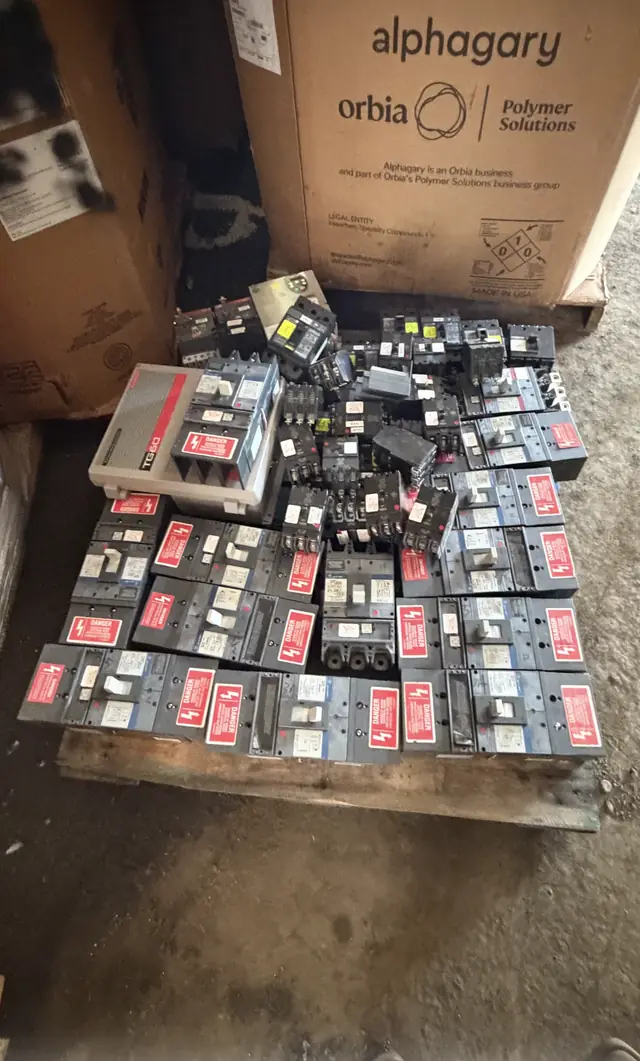
Images that are typically most useful include clear, well‑lit exterior shots showing the full device or panel, any visible damage on the outside of enclosures, and context images that show where the equipment is located. Photos of uninstalled equipment can be helpful when taken on a stable surface with power removed by a qualified person before uninstallation.
- Exterior, full‑frame photo of the device and surroundings from a safe distance.
- Close‑ups of visible discoloration, charring, melting, and exterior labels—without removing covers.
- Photos of uninstalled equipment taken on a stable surface after power has been removed by a qualified person.
Actions to avoid: safety limits and prohibited steps
Do not touch hot or smoking equipment, do not remove covers or panels, and do not attempt to tighten terminals or connections. Do not perform energized testing. These actions can expose you to electric shock, arc flash, or cause further damage.
If an immediate hazard exists, clear the area and call emergency services or a licensed electrician. This page does not provide instructions for installation, removal, repair, or energized procedures. Use appropriately qualified professionals and follow applicable manufacturer instructions.
- Never open enclosures or panels to inspect internal components if power may be present.
- Do not tighten connections, swap components, or attempt temporary fixes.
- Avoid using instruments on live equipment unless you are qualified and properly equipped.
Information to collect from a safe distance
When it is safe to remain near the equipment, gather identification details without opening doors or panels. From the exterior, note visible nameplate data, the general location (building and room), and the time you first noticed the condition. These details help responders and contractors plan an efficient assessment.
Useful identification fields, when legible from outside surfaces, include the manufacturer name, model number, series or frame designation, ampere and voltage ratings printed on the exterior label, and any catalog or part numbers. If equipment is uninstalled and unenergized, a qualified person may capture additional nameplate photos safely.
- Manufacturer and model or series visible on exterior labels.
- Ampere and voltage ratings printed on the device exterior.
- Any serial, catalog, or part numbers observable without removing covers.
How CircuitBreakerBuyer reviews qualifying equipment and what to do next
CircuitBreakerBuyer offers a conditional purchase review based on documentation you submit. Clear, safe exterior photos and notes from the red‑flag checklist help determine whether an item may merit further commercial consideration. A web submission is not an appraisal, offer, safety clearance, or authorization to ship or remove equipment.
If you believe your equipment may qualify for review, prepare photos from a safe distance and submit exterior or uninstalled images through the submission form. Do not interpret any submission or response as approval for reuse or installation; only qualified electrical professionals and the authority having jurisdiction can evaluate serviceability and compliance.
- Use the red‑flag checklist to gather photos and notes from a safe vantage.
- Submit exterior and uninstalled images only—do not open live panels for photos.
- A submission is a request for review, not an offer, inspection, or removal authorization.