Stop work and consult the manufacturer instructions and a qualified, licensed electrical professional if you encounter signs of overheating, smoky odors, cracks, or exposed energized parts. Follow the requirements of your local authority having jurisdiction; this page does not replace on-site inspection or professional guidance.
Why replacing a breaker looks simple but isn’t always safe
Replacing a circuit breaker can look like swapping a small box, but the environment inside an electrical panel changes how that task should be approached. Live parts, proximity to other circuits, and the condition of the bus and enclosure introduce hazards that aren’t visible from the outside. Because of this, we review qualifying items for purchase and recommend owning an accurate inspection record before attempting any panel work yourself.
This page is written to clarify the limits of homeowner and facility-maintenance involvement, and to explain how to prepare breakers for sale or for a professional inspection. It is not a step-by-step installation or removal guide, and it does not replace a qualified electrician’s on-site assessment or the authority having jurisdiction (AHJ) in your area.
- We describe identification and documentation fields you should collect.
- We list honest condition language and useful photographs for sale or review.
- We explain where to stop and call a qualified electrician or local AHJ.
Closed-panel risks and the evidence that matters
An original closed-panel risk diagram helps visualize common hazards without describing removal or wiring steps. That diagram highlights live bus bars, breaker terminals, and the limited clearance inside panels—the three areas where accidental contact or arcing is most likely to cause injury or further damage. Use such visual guides only to understand risk zones; do not attempt access or work because a diagram alone does not show condition-specific dangers like loose connections or corrosion.
Federal safety agencies have documented the kinds of incidents that happen when energized parts are handled without proper safeguards. Evidence from those sources reinforces two practical points: avoid exposed live parts, and allow only persons with appropriate training and protective measures to interact with energized equipment. Because local codes and enforcement vary, an on-site review by a licensed electrician or the AHJ is the correct next step when a breaker or panel shows signs of trouble.
- Typical closed-panel danger areas: live bus, lug terminations, and arc flash paths.
- Visual aids show risk zones for awareness, not procedural instructions.
- If you see burning smells, discoloration, or melted insulation, stop and call a professional.
How to identify a breaker before you call or submit it for review
If you intend to sell a breaker or prepare it for a professional inspection, collect the identification fields that matter. Exact model numbers, manufacturer name as marked on the part, catalog or ordering numbers, ampere rating, pole count, and trip type (thermal-magnetic, electronic, adjustable) are the primary fields reviewers use to determine commercial fit and compatibility. Physical markings such as date codes, UL or other listings visible on the part, and frame size are also essential.
Take clear photos that show both the face and the sides of the breaker, close-ups of the label or stamping, and the panel type and bus arrangement if you are documenting removal context. Good documentation speeds review and reduces back-and-forth questions from a buyer or inspector. Provide any accompanying documentation such as installation labels removed from the breaker or a service tag when available.
- Record: manufacturer name, model/catalog number, amp rating, poles, frame size.
- Note trip type and visible listing marks; document any handwritten or stamped serials.
- Photograph labels, blade/terminal ends, and any damage or discoloration clearly.
Using honest condition language — words that help a reviewer
Describe condition precisely and conservatively. Typical, useful terms include: new surplus (never installed), unused in original packaging, removed from service (with known service history), functional-tested (describe test method), untested, cosmetic damage, cracked housing, overheated/discolored, and mechanically damaged. Avoid ambiguous claims like fully functional unless you can describe how functionality was verified and by whom.
If the breaker was removed from an electrical system, note the reason for removal and any observable symptoms (tripped during overload, repeatedly tripped, visible scorching, loose mounting). Include the environment it served (commercial kitchen, light-duty office, outdoor enclosure) because service conditions affect expected wear and residual risk. This information helps buyers, inspectors, and electricians prioritize on-site verification.
- Use conservative, verifiable descriptions rather than subjective praise.
- State how functionality was checked and by what equipment or professional, if applicable.
- List removal reason and service environment to clarify wear patterns.
Organizing lots, photos, and paperwork for faster review
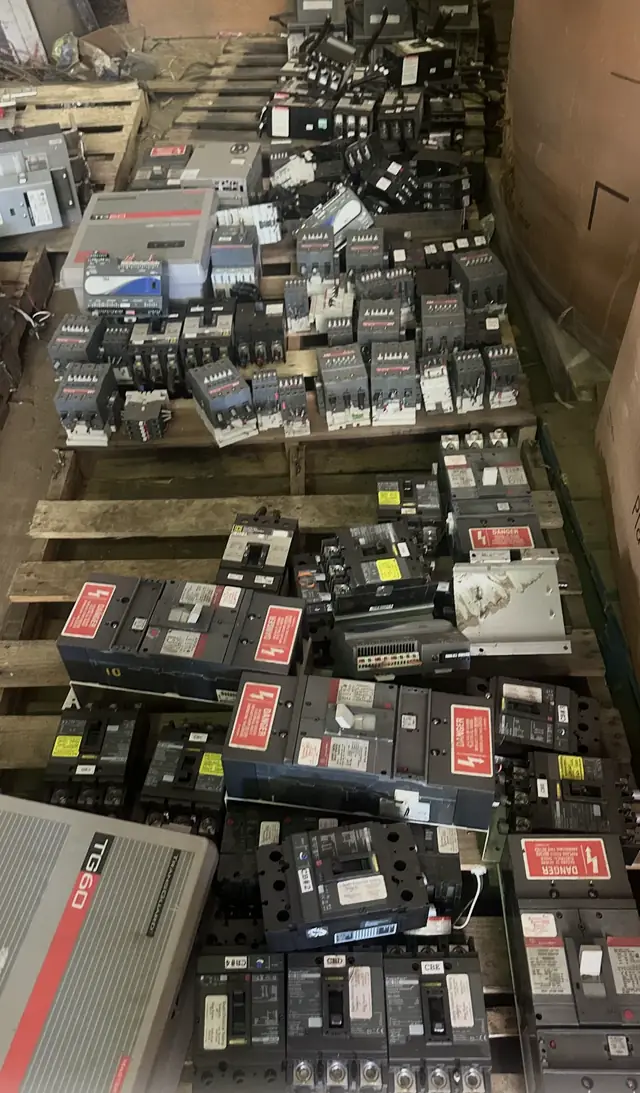
If you have multiple breakers or panels, group items that are identical by manufacturer, model, amp rating, and condition. Create labeled lots and supply a simple inventory sheet that lists each item with identifying marks and a matching photo. This practice lets reviewers assess quantity and commercial fit quickly and reduces requests for follow-up details.
Photograph each lot from several angles: a wide shot of the entire lot, medium shots of each model group, and close-ups of distinguishing labels or defects. For rare or high-value items, include closeups of serial numbers and any provenance tags. Keep originals of any service records or invoices handy for sharing on request; these documents can materially affect review outcome but submitting them is optional at first contact.
- Group identical items into lots and number them in photos.
- Supply an inventory sheet mapping photos to serials and model numbers.
- Retain service records and be ready to share them with a buyer or inspector.
What we cannot advise here — and why you must use qualified help
This page does not provide instructions for removing the deadfront, loosening or tightening conductors, torque values, energized testing, or any on-panel sequence. Those activities interact with energized parts and with local code enforcement. Providing procedural guidance on those topics would increase risk and could violate local regulations. If work is required, a licensed electrician or the AHJ must determine the safe approach for your specific panel and job.
Jurisdiction caveats matter: some local authorities require licensed tradespeople to perform or inspect panel work, or they may require permits and documented testing. We recommend stopping work when you encounter signs of previous overheating, mechanical deformation, burned insulation, or uncertain labeling. At that point, obtain an on-site assessment from a licensed professional before further action.
- We do not provide installation or energized-testing instructions.
- Stop and consult a licensed electrician if you detect smoke, charring, or loose parts.
- Local AHJs may require permits or licensed personnel for panel work.
How to submit a breaker for purchase review and what to expect
If you want us to review qualifying breakers for purchase, prepare the identification fields, photos, and condition descriptions described above and submit them for initial review. A submission is not an appraisal, offer, acceptance, safety inspection, compatibility determination, purchase order, pickup commitment, or shipping authorization. Include contact information so a reviewer can ask clarifying questions; precise documentation shortens the review cycle.
After you submit, expect a request for clarification rather than an immediate offer in many cases, especially for items with limited markings or uncertain service history. If a reviewer expresses interest, the next steps usually involve additional photos, paperwork, and agreement on shipping or inspection logistics. Do not begin on-site removal or alteration of equipment in response to a potential buyer until a qualified electrician or the AHJ confirms that removal can be done safely.
- Submit model, photos, condition, lot size, and contact info for initial review.
- A submission is not a purchase agreement or safety clearance.
- Be prepared for follow-up questions and to provide more documentation.