Condition labels on this page are observational only and are not functional test results, safety certifications, or purchase commitments. Always follow manufacturer instructions and consult qualified electrical professionals and the authority having jurisdiction for removal, testing, or installation.
What this guide covers and what we’ll review
We review qualifying circuit breakers and related electrical equipment for potential purchase. Submitting items with clear identification and an original photo set helps our reviewers determine whether a unit appears to fit our buying criteria. This guide describes the condition vocabulary we use, the images to include, and clear boundaries that may result in rejection.
Condition labels on this page describe observable physical and documentation attributes only. They are not functional tests, authenticity determinations, warranties, or acceptance guarantees. A submission to our website is not an appraisal, purchase order, or inspection report; it begins a review that may lead to an offer for qualifying items.
- Use the vocabulary in this guide in your listing to avoid delays
- Attach the original, unedited photos described below
- Group similar parts into logical lots for more efficient evaluation
Condition categories we use and what each means
New surplus: Unused units with original manufacturer labels and intact packaging or protective covers. New‑surplus items should show clean nameplates, full labeling, and no signs of field installation or modification. “New surplus” on a listing indicates the item appears unused based on external inspection only; it does not imply a manufacturer warranty or functional testing.
Used‑serviceable: Breakers that show evidence of prior installation but are intact, with readable nameplates and no missing critical components. Used‑serviceable units are described by observable condition only; the label does not replace functional testing. Untested: Items submitted without test documentation or that have been removed without functional checks. Untested means no verified electrical test results are available; additional inspection and testing would be needed to confirm operational status.
- Incomplete: Missing accessories or parts required for standard installation (handles, trip units, accessories). List missing items explicitly.
- Damaged: Visible physical damage such as cracked housings, melted terminals, burn marks, or broken trip mechanisms. Damage may make a unit unsafe and is a common rejection boundary.
Original photo set: exactly what to include
Submit an original photo set for each distinct model or lot. Original means unedited, full‑resolution images taken at the time of submission. The goal is to capture the information a reviewer needs without guesswork: nameplate detail, overall condition, internal components if accessible and safe to photograph, and close‑ups of any nonstandard marks, modifications, or damage.
Include these views for every unique unit or representative samples in a lot. If units are identical and numerous, supply a full set of images for one representative unit plus a single overview photo showing the lot and quantity. If any units differ in visible details, add images for those variants so reviewers can separate serviceable items from likely rejects.
- Front nameplate (close‑up, legible)
- Full front view (showing handle and trip position)
- Back or terminal side (legible markings and condition)
- Any removable accessories or trip units laid out separately
- Close‑ups of damage, modifications, or handwritten marks
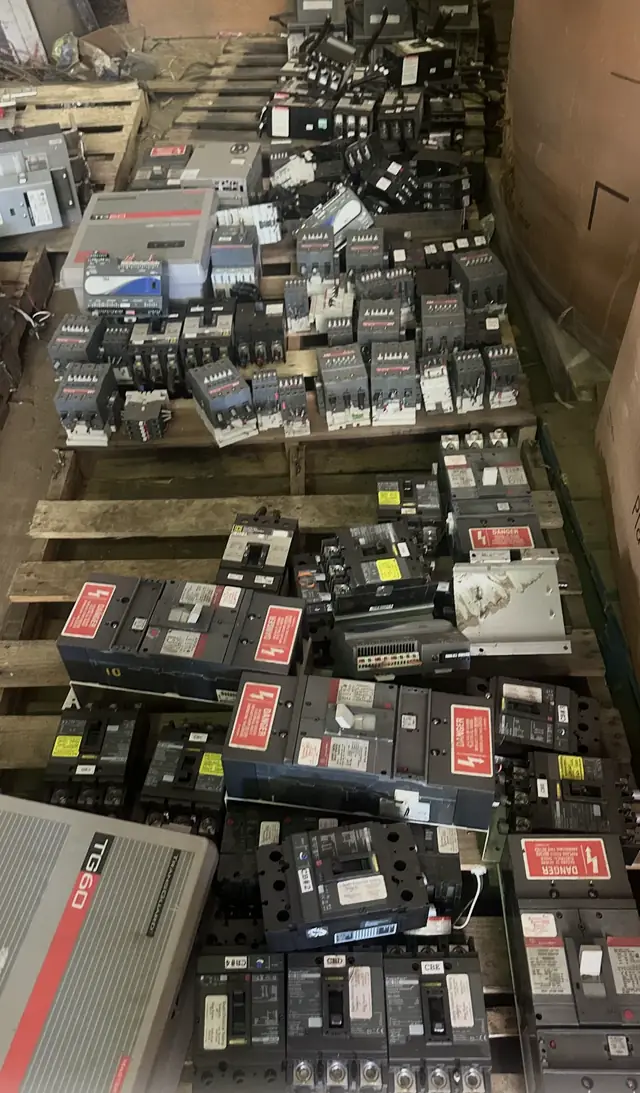
- Lot overview photo showing labels and quantity
Consistent photo vocabulary and what counts as evidence
Use consistent, plain language when captioning photos: identify manufacturer label text exactly as shown, list catalog numbers, record visible ampere and frame ratings, and note any attached accessories. Avoid subjective adjectives without supporting photos — for example, rather than calling an item “heavy wear,” show pictures of the wear and describe the locations and extent.
Evidence in the photo set should support the condition label you assign. If you label an item “new surplus,” include close‑up images of factory seals, packaging, or date codes that support that claim. For “used‑serviceable” entries, include images that clearly show required components are present and intact. If photos contradict the label, we may reject the submission or reclassify the items during review.
- Caption photos with exact text from the nameplate where legible
- Note date codes or serial numbers visible in images
- Indicate which photo shows missing or damaged parts
Exact identification fields to supply with each submission
Complete, precise identification can accelerate review. For every unit or lot, include manufacturer name (as printed on the nameplate), catalog/model number, amp rating, frame rating, interrupting rating (kAIC) if visible, and trip type (thermal‑magnetic, electronic, ground‑fault). When present, include part or accessory numbers for handles, shunts, or auxiliary contacts.
Also list visible serial numbers, date codes, and any factory labels or barcodes. If an internal trip unit or electronic module is removable and shown in photos, include its markings. Omissions or unclear identification increase review time and may result in a request for additional information.
- Manufacturer and catalog/model number (exact text)
- Ampere rating and frame
- Interrupting rating (kAIC) if visible
- Trip type and accessory part numbers
- Serial number and date code if available
How to package and organize lots for commercial evaluation
Organize lots by identical model and consistent condition. A single lot should contain only one catalog/model number and a single condition label. If units are the same model but differ in condition (for example, some are used‑serviceable and some show terminal damage), separate those into distinct lots. Clear lot organization helps us evaluate and route items for review.
Label boxes and pallets so the lot images correspond to the physical packaging. Provide counts, a brief unit description, and a pointer to the representative photo set in your submission form. If parts are bundled with breakers (handles, trip units, or mounting hardware), include a photo showing the bundle and list each included accessory in your lot description.
- One catalog/model number per lot
- One condition label per lot
- Include real unit counts and representative photos
- Photograph accessory bundles separately
Safety limits, rejection boundaries, and the next step after submission
We may decline submissions that show clear safety risks in photos. Rejection boundaries include exposed live‑looking conductors, severe thermal damage or charring, housings broken to expose internal live parts, and evidence of unauthorized modifications that could render a device unsafe. If you see these conditions while preparing items for shipment or photography, stop and consult an appropriately qualified electrical professional before proceeding.
After you submit a properly documented lot, we begin a review. That review may include requests for additional photos or clarification of identification fields. A web submission is not a purchase order, inspection, or guarantee of payment. Follow current manufacturer instructions and use qualified professionals for removal, testing, and installation; do not attempt energized testing or repairs based solely on a condition label.
- Stop and seek a qualified electrical professional if a unit shows burn, exposed live parts, or severe structural damage
- Submissions with missing or contradictory photos may be rejected
- A submission starts a review; it is not an acceptance or purchase commitment