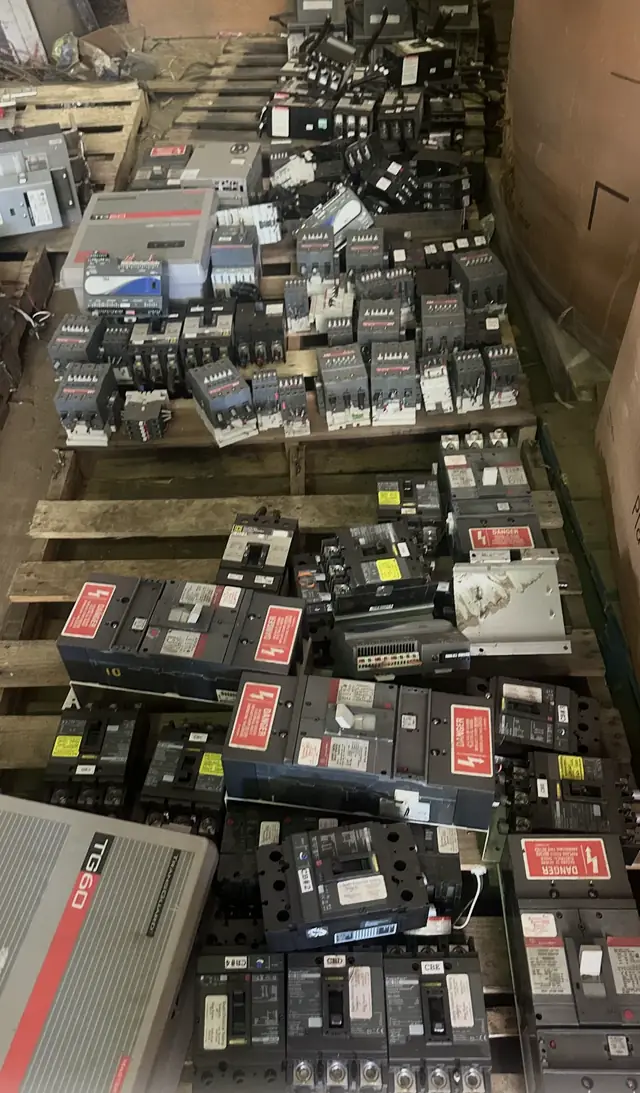
Stop and consult if you see signs of overheating, exposed live parts, or structural damage. Follow manufacturer instructions and engage appropriately qualified electrical professionals and the authority having jurisdiction for any removal, testing, or installation. Submitting documentation to a buyer is not a substitute for a field safety inspection.
Why screen identity and provenance before commerce
Commercial trade in circuit protection equipment requires knowing what you have and whether the product is original, altered, or represented correctly. Before offering breakers for bid, gather evidence of identity and provenance so any buyer can judge whether the items align with their own technical, legal, and warranty policies. Items may be considered for purchase after review; a submission is not an appraisal, offer, shipping authorization, or acceptance.
Screening before commercial exchange reduces safety and financial risk for both seller and buyer. Early documentation narrows uncertainty and can speed legitimate transactions. Red flags should prompt verification — not accusation — and any flagged pieces should be kept out of ordinary quote intake and set aside until additional review is complete.
- Early documentation supports faster commercial review
- Red flags trigger verification, not accusation
- Set flagged items aside from normal inventory
Exact identification fields to capture
Collect all visible nameplate and label data for each unit. Important fields include manufacturer name as marked, model/type designation, frame and trip ratings, interrupting capacity (AIC or kA), catalog or ordering number, serial number, date code, and any applied agency marks as printed on the component. If aftermarket or seller-applied tags exist, photograph them clearly and record their text separately from manufacturer markings.
Note mechanical accessories and mounting features that affect commercial fit, such as trip unit type, handle style, current-limiting features, and frame size. Listing these exact fields in a submission helps determine commercial fit but does not prove suitability for a specific installation; actual selection and installation require qualified engineering judgment and approval by the authority having jurisdiction.
- Manufacturer marking as printed on the unit
- Model/type and catalog number
- Serial number and date code
- Frame, trip unit, and interrupting rating
- Applied labels or seller tags
Honest condition language to use in descriptions
Use plain, verifiable terms: new, used, surplus/new‑surplus, inspected, reconditioned/refurbished, cosmetically reworked, parts only, or unknown. Avoid adjectives that imply safety, compliance, or fitness for purpose (for example, do not use “as new,” “warranty valid,” or “certified” unless supported by verifiable documentation from the manufacturer or a relevant authority).
If components have been repaired or altered, describe what was done and by whom, and attach supporting documentation when available. Statements about testing, calibration, or reconditioning should be accompanied by related test reports or service records. A condition description in a website submission is not a safety inspection or acceptance for field use.
- Be specific: “used — cosmetic scuffs and surface rust” beats “good condition”
- If reconditioned, name the provider and include paperwork
- Label unknowns honestly rather than guessing
Useful photos and how to frame them
Photographs are often the fastest way to verify markings and condition. For each unique item or lot, include at minimum: a clear full‑unit view showing overall condition; close‑ups of every nameplate or label at readable resolution; pictures of mounting faces and terminals; photos of any accessory or trip device stamping; and images of damaged or modified areas. Use even lighting and a plain background so printed characters are legible.
If items are part of a larger panel or assembly, include context photos that make it clear whether the breaker was field‑installed or factory‑mounted. Add a scale reference (ruler or coin) for small parts and a written note in the photo if a marking is partially obscured. Do not attempt energized testing for photography; any work requiring power must follow safe procedures by qualified personnel.
- Full‑unit, nameplate close‑ups, terminal faces, accessory stamps
- Context photos for factory vs. field mounting
- Scale reference and notes for partially obscured marks
Original red‑flag checklist: indicators for escalation
The following red flags do not prove wrongdoing; they indicate that additional verification is needed. Treat these signs as prompts to gather records rather than as final judgments.
When one or more indicators are present, compile supporting evidence — photos, purchase invoices, correspondence with the original equipment manufacturer, testing certificates, and chain‑of‑custody notes — and set the items aside for further review. See the quarantine guidance later in this guide.
- Inconsistent or missing manufacturer name on the nameplate
- Nameplate data that conflicts with the unit’s physical size or accessories
- Obvious re‑stamping, altered serial numbers, or tampered labels
- Aftermarket or non‑OEM parts installed without documentation
- Multiple, different manufacturer marks on a single assembly
- Unfamiliar agency marks or marks inconsistent with other data
- Units offered far below market norms without provenance records
How to organize lots and batch submissions
Group items by exact model/type, condition, and provenance. Submissions that mix multiple models or mixed conditions (for example, new and reconditioned) slow review and increase the chance that some items will be set aside. Assign a unique lot ID and a simple manifest for each lot listing the identification fields and photo filenames so documentation ties to physical units.
Record lot‑level provenance: original vendor, purchase date, location of removal, and any service history. When lots contain a subset of units with red flags, separate that subset and treat it as its own lot for focused review. Clear lot organization saves time and reduces handling of potentially suspect pieces.
- One model/type per lot when possible
- Include a manifest linking photos to unit serials
- Separate suspect sublots to avoid whole‑lot delays
How commercial fit differs from installation suitability
Commercial fit addresses whether secondary‑market buyers are likely to accept items for resale, rebuild, or parts. Buyers assess fit using documentation, matching part numbers, and observed condition. Commercial acceptance is distinct from an installer’s determination of whether a breaker is appropriate for a particular electrical system; a commercial sale is not a green light for reuse in a live installation.
When submitting equipment, describe the commercial uses you expect (resale, rebuild, parts) and provide any supporting paperwork that would influence market acceptability — such as invoices, OEM statements, or prior testing records. Buyers will apply their own procurement policies and may seek additional evidence, factory verification, or on‑site inspections before purchase or downstream use.
- State the intended commercial use (resale, rebuild, parts)
- Provide paperwork that influences market acceptance
- Commercial acceptance is not engineering approval for field use
Quarantine steps to consider for suspected units
When red flags exist, consider a simple quarantine approach: isolate the suspect units, tag them with a unique quarantine ID, limit access, and create a dossier containing photos, a manifest, and provenance records. Do not commingle quarantined units with normal inventory or include them in ordinary quote submissions.
Avoid statements that imply clearance or certification while review is pending. After review, the dossier can inform next steps: return to regular consideration, request additional verification or testing records, or document rejection. This approach helps preserve traceability and protects both seller and prospective buyer while identity or provenance questions are resolved.
- Isolate and tag suspect items with a quarantine ID
- Limit handling and keep a chain‑of‑custody record
- Assemble a dossier: photos, manifest, invoices, and service records
- Escalate the dossier for specialist review before any offer