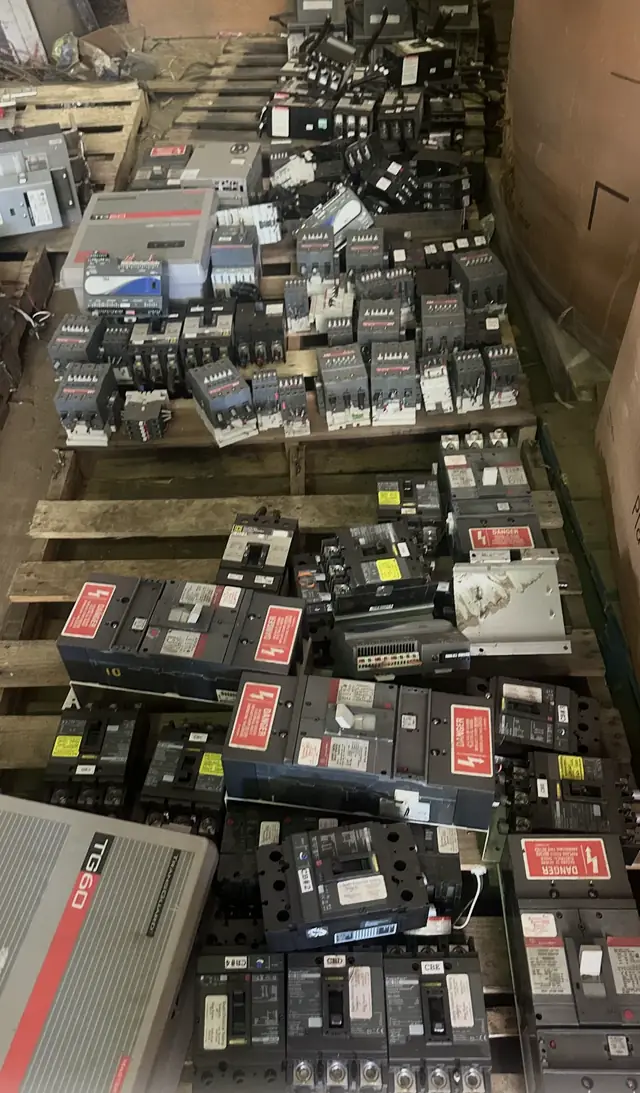
If you encounter exposed live conductors, damaged equipment, or other hazards, stop immediately and contact a qualified electrical professional and the relevant authority having jurisdiction. This page provides informational steps only and does not replace in-person inspection or official AHJ determinations.
Why knowing the AHJ matters
The authority having jurisdiction determines which rules, permits, and inspection processes apply to electrical work at a given address. Before planning, decommissioning, or transferring electrical equipment for reuse or sale, knowing which office has jurisdiction reduces the risk of noncompliance and unexpected rework.
This page is a practical guide to help you locate the AHJ for a specific property or project. Use the steps here to identify the likely authority and gather dated evidence of your findings, then present that information to the AHJ or a qualified electrical inspector for confirmation.
- Knowing the AHJ clarifies permit requirements and inspection paths.
- Different AHJs can apply to different parts of the same site (building, utility service, fire protection).
- Finding the AHJ early can prevent delays when equipment or systems are removed, reinstalled, or sold.
Who can act as the AHJ for electrical work
Several kinds of public bodies commonly act as AHJs for electrical matters. Local municipal or county building departments often oversee building permits and inspections, fire prevention offices may review life-safety systems, state electrical boards may regulate licensed electricians, and utilities may control work on or adjacent to their infrastructure. Which entity governs a particular job depends on the location and the scope of the work.
Because multiple offices can have overlapping responsibilities (for example, a utility and the city both taking an interest in service connections), your jurisdiction-finder flow must consider each potential authority. The following sections provide an ordered method to trace jurisdiction and examples of the official sources you should check.
- Municipal or county building department — permits and building inspections.
- Fire marshal or fire prevention bureau — fire alarm or life-safety equipment reviews.
- State licensing boards — requirements for licensed electricians and contractors.
- Utility companies — rules for work on service lines, meters, and near utility equipment.
Jurisdiction-finder flow: step-by-step
Start with one address and a clear description of the work. If you have a parcel number, legal description, or utility account number, collect those too. The flow below runs from easiest checks to direct confirmation: it is meant to reduce guesswork and help you gather dated evidence to show to the AHJ or a qualified inspector.
Follow each step in order and stop to record dated evidence before moving on. If at any point you encounter safety hazards, unknown wiring, or equipment that appears energized or unsafe, stop work and contact a qualified electrical professional and the suspected AHJ.
- Step 1 — Search the local building department website using the property address; note permit portals and published contact details with their publication or update date.
- Step 2 — Check county GIS or parcel maps to confirm municipal boundaries; record the parcel search result and date.
- Step 3 — Search for a local fire marshal or fire prevention office that lists inspection responsibilities for the address; capture the page date or print a dated copy.
- Step 4 — If work involves service connections or utility equipment, contact the local utility safety or engineering contact and request written confirmation of their role and any permit needs.
- Step 5 — If online sources are unclear, call the permit counter and request the AHJ for the specific address; record the agent’s name, agency, and the date/time of the call.
- Step 6 — Obtain written confirmation from the AHJ when possible — an emailed response, stamped permit, or inspection report dated and signed by an official is strongest.
Official source examples: what to look for
Official sources vary by location but share the same qualities: agency branding, contact information, permit or inspection records, and an explicit statement of responsibilities. Useful sources include a city or county building permit portal, the fire prevention office’s inspection pages, a state electrical board’s licensing and enforcement pages, and the local utility’s safety or permitting pages.
When you find a relevant source, capture specific fields that show its authority: the name of the office, the scope of work they regulate, a permit or inspection number if present, and any date stamps. Screenshots or printed pages that include the website’s timestamp, PDF document date, or an email header with date and sender are practical pieces of dated evidence.
- Permit portal record with permit number and issue date.
- Inspection report or certificate stamped and dated by the inspection office.
- Official email or letter from an agency email address that includes the date and the name of the official.
- Utility work order or written authorization with a date and reference number.
- Parcel or GIS map showing municipal boundaries with the date of the data extract.
How to verify jurisdiction with dated evidence
Verification is about creating a traceable record. Prefer primary, dated documents: a stamped permit, a signed inspection report, a dated email from an agency address, or a utility work order. When you rely on public web pages, record the page URL and the date you accessed it; where available, use a site’s published ‘last updated’ date in your notes.
If you must confirm by phone, follow the call with an email that summarizes what the official told you and request a written reply. Capture file metadata when you save PDFs, and keep copies of any images that show stamps or signatures. These dated items make it easier for the AHJ or an inspector to confirm jurisdiction and for you to document compliance steps.
- Save permit PDFs and note the issue and expiration dates.
- Take screenshots that include the browser date/time or use a timestamped print-to-PDF option.
- After phone confirmation, request written confirmation by email and archive the reply.
- Record permit, inspection, or case numbers and the name of the official with date and time.
Safety limits and when to stop and call a pro
This page does not replace in-person inspection or professional judgment. If you encounter exposed conductors, damaged equipment, signs of overheating, unfamiliar utility attachments, or uncertainties about whether equipment is energized, stop and contact a qualified electrical professional and the relevant AHJ. Do not attempt energized testing, removal, or reconnection yourself unless you are appropriately qualified and authorized.
If you are preparing equipment for removal, sale, or transfer, document the AHJ’s direction about required decommissioning steps and any permits. Keep in mind that identifying the AHJ is a separate action from obtaining authorization; always seek confirmation from the AHJ or an electrical inspector before proceeding with work that affects safety, service, or code compliance.
- Stop and get help if you see live parts, burn marks, or abnormal noises.
- Do not make assumptions about compatibility or approval based on physical fit.
- Follow manufacturer instructions and the direction of the AHJ and a licensed electrician.
Next steps: documenting your findings and using them
Once you have gathered dated evidence and a likely AHJ, present those items to the agency or to a qualified electrical inspector for confirmation. Keep a clear file that includes the address, parcel or account identifiers, copies of web pages or emails, permit numbers, and the names and dates of any phone contacts.
If you are preparing equipment for sale or transfer, verify the AHJ’s requirements for decommissioning, tagging, or removal before moving items offsite. When you submit equipment details to a buyer or listing service, label the documentation as discovery of AHJ information rather than formal approval.
- Assemble a single dated folder with permits, emails, and screenshots.
- Request a written confirmation from the AHJ when possible.
- Provide documentation to contractors, inspectors, or prospective buyers as discovery documents — not as proof of authorization.