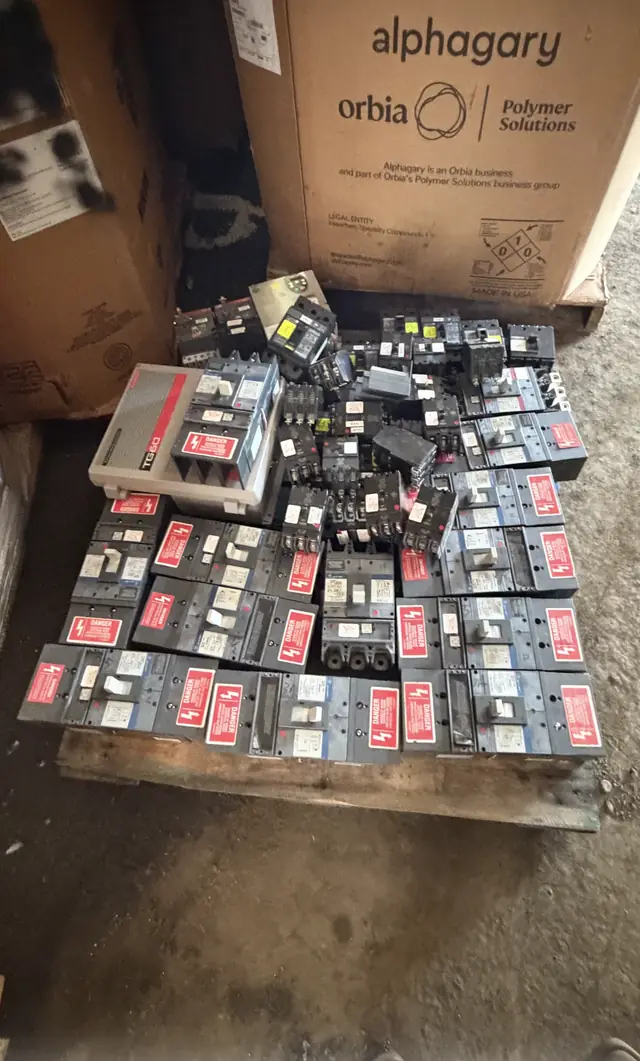
No‑touch policy: do not open or operate electrical panels or breakers unless you are the qualified, authorized person and are following the manufacturer's instructions and the authority having jurisdiction. For suspected fire, shock, or active arcing, evacuate and contact emergency services first; follow the directions of licensed electrical professionals for all subsequent technical work.
Escalation card: immediate triage at a glance
Safety comes first. If you encounter a breaker or panel concern, use this quick card to decide whether the situation calls for emergency response, a licensed electrician soon, or planned attention later. It is intended for rapid triage and reflects commonly available public safety guidance.
Do not touch or open energized panels. Use the escalation card as a communication aid while keeping people at a safe distance and arranging the appropriate professional response or later disposition of equipment.
- Emergency — evacuate and call emergency services immediately if you see fire, heavy smoke, someone is being shocked, or there is an uncontrolled arc or explosion.
- Urgent — contact a licensed electrician right away if you have repeated tripping with a burning smell, visible arcing through cracks, or heat radiating from an enclosure; keep everyone clear.
- Prompt/Planned — schedule a qualified electrician when you have frequent nuisance trips, aged equipment, or non‑urgent label damage; document and photograph items if you plan to submit them for purchase review later.
How to recognize urgent versus non‑urgent panel and breaker problems
Urgent signs indicate active danger to people or property. Examples include obvious flames, persistent electrical burning odors, audible arcing, melted insulation, or a person receiving an electrical shock. These situations demand emergency services; do not investigate or attempt fixes yourself.
Non‑urgent but important signs include frequent tripping under normal load, intermittent power to circuits, corrosion visible on exterior hardware, or missing identification labels. These conditions warrant a prompt service call from a licensed electrician and can generally be evaluated on a scheduled basis rather than by emergency responders.
- Urgent red flags: fire, smoke, sparks, ongoing arcing, shock to an occupant.
- Prompt red flags: repeated trips without a clear overload, hot enclosure felt from outside, buzzing that persists.
- Planned concerns: cosmetic damage, date codes suggesting end of service life, obsolete frame types for modernization planning.
Clear emergency route: what to do first (no‑touch policy)
If conditions meet the emergency criteria above, take a clear route of action: create distance from the hazard, communicate danger to occupants, and summon emergency responders. Do not touch breakers, do not open the panel, and do not attempt energized troubleshooting. These actions reduce risk to bystanders and to responding professionals.
In workplaces, notify site management and follow established evacuation and incident‑notification procedures. In homes, move people to a safe location and call local emergency services. After responders secure the scene, a licensed electrician can address technical diagnosis and safe restoration.
- Evacuate people to a safe distance away from the panel or breaker bank.
- Call emergency services when fire, smoke, shock, or uncontrolled arcing is present.
- Keep a clear path for responders and mark the affected area; do not re‑enter until authorities declare it safe.
What to expect when a licensed electrician arrives
A licensed electrician may perform a safety‑focused inspection and testing appropriate to the situation. They will determine whether the area is stabilized, identify probable causes, and outline corrective options or replacement needs. The electrician can also advise whether equipment should be decommissioned and whether replacement parts or full assemblies are appropriate.
Timing varies. Some situations require immediate attention, while others can be scheduled. The electrician determines whether it is safe to isolate circuits and whether equipment can remain in service temporarily. This page does not replace professional diagnosis or provide instructions for de‑energization, installation, or repair.
- Be prepared to describe symptoms, when they began, and any recent work or environmental changes.
- Provide labeling information and photographs if available; this context helps with planning.
- Understand that safety determinations — such as whether to keep equipment in service — are the electrician’s responsibility.
Preparing breakers and panels for later surplus review
If the situation is non‑urgent and you plan to submit equipment for purchase review, collect exact identification fields and clear photos before moving or storing the items. Useful identification fields include manufacturer name (as marked on the product), catalog or model number, ampere rating, frame size, pole count, trip type when marked (for example, thermal‑magnetic or electronic), date codes, serial numbers, and any listing marks visible on the label.
Use accurate condition language when documenting items. Common condition descriptors used for review include: new surplus, like‑new, good working condition (if previously tested by a qualified person), untested/unknown, cosmetically damaged, and parts‑only. Do not energize or open equipment to verify internal condition; rely on exterior markings and prior documentation. Photographs and organized lots are important for an efficient review.
- Photos to include: clear close‑ups of the manufacturer label, part numbers, date codes, trip handle, and any damage; plus a wide shot showing the entire unit.
- Lot organization tips: group identical items together, label lots with a concise inventory (manufacturer + model + quantity + condition), and keep items dry and protected from contaminants.
- Label conditions honestly; describe any known history such as involvement in an electrical incident or exposure to water.
Commercial fit and what we consider for purchase review
Commercial fit refers to how likely equipment is to be reused in industrial, commercial, or maintenance markets. Equipment types often more suitable for resale include intact, labeled molded‑case breakers, MCCB frames, and clearly identified assemblies, as well as new surplus still in original packaging. Qualifying equipment may be submitted for purchase review; not every submission results in a purchase.
When preparing items for review, provide context about potential reuse if you have it — such as industry or application type — so reviewers can consider market fit. Do not assume that physical fit implies electrical suitability; final suitability is determined by the end user and their qualified professionals.
- Provide exact manufacturer and catalog information to support review.
- Indicate whether items are OEM replacements, spare stock, or removed in favor of upgrades.
- Quantities matter: lots with multiple identical, well‑documented units are often easier to evaluate commercially.
Next steps: contacting a licensed electrician and submitting equipment for review
For emergencies, call local emergency services immediately and do not delay to document items for later sale. For urgent electrical issues that are not immediate emergencies, contact a licensed electrician and share the symptoms and any photos you can safely provide. Maintain a no‑touch policy until the electrician or responders arrive.
If you intend to submit equipment for our purchase review after it has been made safe and decommissioned, prepare the identification fields, photographs, and condition statements described above and follow our submission process. Submitting items is a review request only; it is not an appraisal, offer, acceptance, safety inspection, compatibility determination, purchase order, pickup commitment, or shipping authorization.
- Emergency now: evacuate, call emergency services, keep a safe perimeter.
- Urgent now: call a licensed electrician immediately, convey observed symptoms and any relevant photos.
- Later: compile ID fields, photos, and honest condition descriptions and submit for purchase review when equipment is decommissioned and safe to handle.