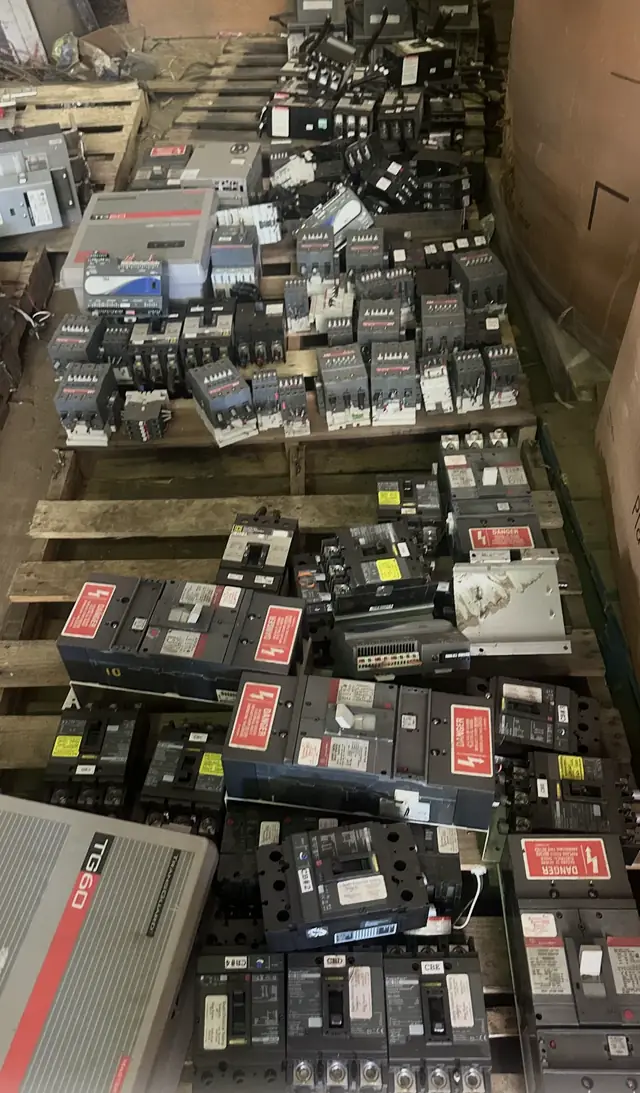
Stop work and call a qualified electrical professional if you see burning smells, smoke, hot enclosures, melted insulation, arcing, or similar warning signs. Follow manufacturer instructions and the authority having jurisdiction. This page is educational only and does not replace a qualified site inspection.
Quick overview: What 'upsizing' a breaker means and why it's dangerous
Upsizing a breaker means replacing a circuit breaker with one rated for a higher current than the original. People sometimes reach for this shortcut when a breaker trips repeatedly: rather than find and address the underlying cause, they install a larger breaker so the device no longer trips under the same load.
That shortcut is dangerous because the breaker is only one element of a circuit’s protection. The breaker is intended to interrupt overcurrent before conductors, terminations, or connected devices overheat. Installing a larger breaker can allow excessive current to flow without a trip, exposing wiring and equipment to overheating and increasing the risk of fire or shock.
- A breaker protects downstream conductors and devices by interrupting overcurrent.
- Making the breaker larger delays or prevents that protective interruption.
- The apparent “fix” removes a safety layer, not the cause of tripping.
How breakers and conductors are intended to work together
Circuit design pairs a breaker rating with conductor ampacity and connected equipment. In normal operation the breaker allows rated current flow; when current significantly exceeds safe levels the breaker trips to interrupt the fault. That coordinated behavior relies on properly sized conductors and functioning protective devices.
Describing this coordination conceptually helps explain the hazard: if a breaker trips at 20 A because the wiring or devices cannot safely carry more, replacing it with a 30 A breaker removes the trigger that would stop damage to a conductor rated for less than 30 A. The conductor may then run hotter for an extended period without a trip, which can degrade insulation and create a fire path.
- Breaker rating is one protective parameter among several in a circuit.
- Conductor insulation, terminations, and connected devices must align with the breaker rating.
- A functioning breaker is designed to trip before permanent damage occurs downstream.
Common causes of nuisance tripping — fixes that are safer than upsizing
Many trips are signs of a correct and functioning protection system responding to a real issue. Typical causes include overload from too many loads on one circuit, short circuits from damaged wiring or devices, loose connections that heat under load, and equipment faults. Each of these has corrective actions that address safety rather than removing protection.
Safer remedies are tasks for a qualified electrical professional: redistributing loads to other circuits, repairing or replacing damaged wiring or equipment, tightening or replacing loose terminations, or replacing a faulty breaker with an identical, properly rated unit. These actions address the source of trips without eliminating the circuit’s protective limit.
- Overloaded circuit: balance loads or add correctly installed branch circuits.
- Damaged wiring: locate and repair or replace the affected conductor or device.
- Loose or corroded terminations: have a qualified pro inspect and restore secure connections.
- Faulty breaker: replace with an equivalent, properly rated breaker and verify function using de-energized, qualified procedures.
How upsizing can hide defects and increase risk
Installing a larger breaker masks symptoms without fixing root causes. A breaker that no longer trips because it’s oversized can allow chronic overheating of conductors, which accelerates insulation breakdown and can lead to arcing faults—conditions more likely to result in fire than the original nuisance trips.
Beyond thermal overload, upsizing can permit sustained fault currents that damage equipment, degrade motor windings, and create hazardous touch voltages. Because the immediate symptom (a tripping breaker) disappears, the concealed damage may go unnoticed until a more serious failure occurs.
- Masked overheating may progress to insulation failure or arcing.
- Hidden damage to equipment and motors can shorten service life and increase hazard.
- Absent trips, stress on terminations and enclosures can produce delayed failures.
What information and photos to gather before seeking help or selling breakers
If you plan to consult a professional or submit breakers for a purchase review, gather objective identification and condition information. For each breaker note the manufacturer name, part number or catalog number, frame rating and trip unit type if present, ampere rating marked on the handle, and any date codes or markings. Record where the breaker was installed and the equipment it served.
Photographs should be clear, well-lit, and include close-ups of the breaker face and markings. If a panel interior photo is needed, have a qualified professional take it de-energized—do not open energized panels. Document any visible damage such as melted insulation, discoloration, or burn marks. When organizing multiple breakers or panels, keep each item or lot labeled so a reviewer can match photos to descriptions. This documentation helps professionals assess the cause of trips and supports a conditional purchase review.
- Key ID fields: manufacturer, model/part number, ampere rating, trip unit/frame marking.
- Useful photos: front face, nameplate/markings, and any visible damage.
- Organize by location and circuit label to preserve context.
Safety limits: what not to do and when to stop
Do not attempt energized troubleshooting, unqualified breaker replacement, or temporary upsizing to “test” a circuit. Stop and keep people clear if you observe burning smells, visible smoke, hot enclosures, melting, charring, or persistent sparking; contact emergency services or a qualified electrician to isolate circuits.
Follow current manufacturer instructions and the guidance of a qualified electrician. If you are documenting equipment for a purchase review or repair, avoid powering suspect gear and do not alter original markings or remove serial numbers. A submission for purchase review is not an inspection or a safety certification.
- Stop work for signs of overheating, smoke, or burning odor and keep people clear.
- Do not alter or remove nameplates or markings needed for identification.
- Use qualified electrical professionals and follow manufacturer instructions.
What CircuitBreakerBuyer reviews and the responsible next step
CircuitBreakerBuyer reviews qualifying breakers and electrical equipment for purchase consideration. You may submit documented, intact items for a conditional review; a submission is not an offer, inspection, purchase order, or shipping authorization. Equipment with signs of heat damage, unauthorized modification, missing markings, or unknown history may not qualify for review.
If your goal is safety, prioritize fixing the root cause with a qualified electrician before considering equipment disposition. If you believe you have intact, properly marked breakers you want us to consider, gather the identification fields and photos described above and request a review. Submissions may be evaluated against acceptance criteria, and any potential transaction would be subject to separate evaluation and mutual agreement.
- You may submit qualifying items for conditional purchase review—documentation required.
- Submissions are not offers, approvals, or safety verifications.
- Damaged or modified items may not qualify for review or purchase consideration.